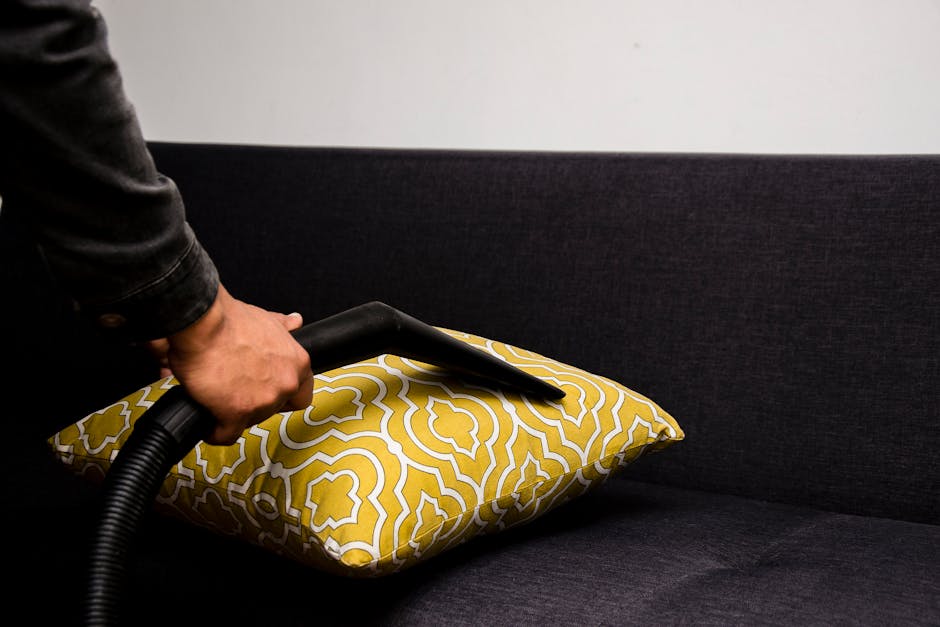
Temple station upholstery cleaning same day Aldwych: a practical guide to fast, careful results
If you need Temple station upholstery cleaning same day Aldwych, you are probably dealing with one of those mildly stressful moments that never arrive at a convenient time. A spill on a sofa before guests arrive. A coffee mark on an office chair after a busy morning. A lingering smell that seems to have settled in and made itself at home. The good news is that same-day upholstery cleaning can often be arranged quickly, and when it is handled properly, it can save a lot of panic.
This guide explains what same-day upholstery cleaning actually involves, why speed matters near Temple station and Aldwych, how the process usually works, and what you should check before booking. It also covers practical mistakes to avoid, realistic expectations, and the questions people tend to ask at the last minute. Let's face it, when you need upholstery cleaned today, clarity matters more than clever marketing.
Why Temple station upholstery cleaning same day Aldwych matters
Temple station and Aldwych sit in a part of central London where schedules can change in a blink. Offices open early, meetings move fast, hospitality spaces need to look presentable, and homes near the Strand often see visitors, deliveries, and busy foot traffic. In that kind of setting, upholstery stains do not just look untidy; they can affect how a room feels the moment someone walks in.
Same-day upholstery cleaning matters because fresh spills and surface dirt are easier to manage before they settle deep into the fabric. A stain that has had two or three days to oxidise, dry, or spread is usually harder to treat than one caught on the same afternoon. That is especially true with light-coloured fabrics, textured weaves, and any material that has already been exposed to wear.
There is also the practical side. In offices, waiting rooms, managed apartments, and short-let properties, a visible mark on a chair or sofa can look careless even when the cause was just bad luck and a coffee lid that failed at the worst possible moment. A quick response helps protect the space, and to be fair, it also protects your peace of mind.
If the issue is part of a larger clean-up plan, it may be worth looking at related services such as upholstery cleaning, sofa cleaning, or stain removal, especially if more than one item has been affected.
Expert summary: Same-day upholstery cleaning is most useful when speed matters, the stain is fresh, and you want a safe, fabric-aware approach rather than a rushed guess. The best results usually come from quick contact, clear photos, and a realistic understanding of what can be cleaned in one visit.
How Temple station upholstery cleaning same day Aldwych works
Same-day cleaning is usually a fast-response service built around availability, fabric type, and travel time. The process is not magic, and it should not be sold as such. A good cleaner will want to know what the item is, what the fabric appears to be, what happened, and how long ago the spill or mark occurred.
In practice, the cleaner often starts by identifying the upholstery material and the likely stain type. That matters because different fabrics respond differently to moisture, agitation, heat, and cleaning solutions. Wool blends, synthetics, velvet, cotton, and mixed fibres each need a slightly different touch. Rush the diagnosis and you can make a small problem into a larger one. Not ideal.
Once the item and issue are assessed, the cleaner will usually choose a method such as low-moisture cleaning, controlled hot-water extraction, spot treatment, or careful hand cleaning. Some upholstery can tolerate deeper cleaning; some only needs targeted treatment. If the room must be used later the same day, a faster-drying approach is often preferred.
For larger spaces, same-day upholstery work may be coordinated alongside carpet cleaning or, where appropriate, commercial carpet cleaning. That can be useful if an office chair stain is only one part of a bigger refresh.
Drying time is a major part of the conversation. Even when the cleaning itself is quick, upholstery may still need a few hours to dry fully. Airflow, room temperature, and fabric thickness all affect this. Open windows help when weather allows, but in a central London building with air conditioning or a busy corridor, the setup may need to be adapted slightly. Real life, basically.
Key benefits and practical advantages
Same-day upholstery cleaning is not just about speed. Done properly, it offers a few practical advantages that are easy to appreciate once you have had to deal with a damaged seat or stained sofa at short notice.
- Fast stain control: Fresh spills are often easier to lift before they bond with fibres.
- Better presentation: Useful for client-facing spaces, rentals, receptions, and homes expecting visitors.
- Reduced odour risk: Food, drink, pet accidents, and moisture can leave smells if left too long.
- Less disruption: You do not have to wait days for the next available slot if the issue is urgent.
- More flexible planning: A same-day visit can fit around a deadline, viewing, meeting, or event.
There is also a psychological benefit that is easy to overlook. Once you know a cleaner is coming the same day, the room stops feeling like a problem and starts feeling manageable again. That sounds small, but anyone who has stared at a sofa stain for ten minutes too long knows exactly what I mean.
If odour is part of the issue, especially with drinks, food, pets, or damp materials, a dedicated pet stain and odour removal approach may be relevant. For delicate window treatments or nearby soft furnishings, you might also consider curtain cleaning so the whole room feels properly refreshed.
Who this is for and when it makes sense
This service is not only for emergencies, although emergencies are a big part of the story. Same-day upholstery cleaning makes sense for a few common situations.
- Homeowners and tenants who need a sofa, armchair, dining chair, or ottoman cleaned before guests arrive or a property handover.
- Offices and professional practices where waiting room furniture, desk chairs, or breakout seating needs to look neat and hygienic.
- Landlords and letting agents dealing with end-of-tenancy presentation or pre-viewing preparation.
- Hospitality and serviced accommodation operators who need quick turnaround support between bookings.
- Event venues and studios where furniture is part of the visible customer experience.
It also makes sense when a stain is fresh and you are still within the window where treatment is most effective. A red wine splash on a light fabric at 9 a.m. is a very different job from a two-week-old mark that has been scrubbed, dried, and scrubbed again by well-meaning hands. Truth be told, the first one is much kinder to everyone involved.
If the upholstery is part of a larger restoration job, you may also want to check rug cleaning or mattress cleaning, especially if the same incident affected multiple items in one room.
Step-by-step guidance
If you need quick upholstery cleaning near Temple station or in Aldwych, a calm step-by-step approach usually gets the best result. Speed matters, yes, but a little structure helps avoid rushed mistakes.
- Identify the item and the problem. Note what the furniture is made of, what caused the stain, and when it happened. If you are unsure of the fabric, say so. That is perfectly fine.
- Take clear photos. A few well-lit images help the cleaner judge the size of the stain, the fabric texture, and whether the mark is localised or spread out.
- Describe what has already been done. If you have blotted, sprayed, or used a household cleaner, mention it. This is important because some products react badly when mixed with cleaning solutions.
- Ask about same-day availability. Be clear about timing, access, parking or building entry, and whether the job is domestic or commercial.
- Confirm what can be realistically cleaned. Some marks improve dramatically, some fade partly, and some may be reduced but not fully removed. A trustworthy cleaner will say so early.
- Prepare the space. Move small items away, clear access paths, and keep pets or children out of the work area where possible.
- Allow proper drying. Airflow matters. Try not to sit on the furniture too soon, however tempting that might be after the room looks clean again.
A small but useful detail: if the furniture is in a busy office or reception, choose the least disruptive time window you can manage. Even a well-run same-day clean can be a little noisy while equipment is in use.
Expert tips for better results
A few simple habits can make a same-day appointment far more effective. None of them are glamorous. They just work.
- Act quickly, but do not rub hard. Blotting is better than scrubbing because rubbing pushes the stain deeper and can damage fibres.
- Use plain water sparingly on fresh spills. Too much water can spread the mark or create a tide line on the fabric.
- Keep product labels handy. If a spill came from food, cosmetics, ink, or cleaning spray, it helps to know what was involved.
- Provide fabric details if you have them. Manufacturer tags, care labels, or purchase information can be surprisingly useful.
- Ask about drying expectations. If a room needs to be back in use quickly, the cleaning method should reflect that.
One thing people often forget: lighting changes how stains appear. A mark that looks severe under morning sunlight might be less visible at night, and vice versa. So take photos in good light if possible. It sounds obvious, but then again, obvious things are the ones we miss when we are in a hurry.
If you are comparing cleaning priorities across the property, it may be helpful to review steam carpet cleaning for floor care and stain removal for concentrated problem spots. The right combination depends on the fabric, not just the clock.
Common mistakes to avoid
When a stain appears, people often try to fix it immediately. Fair enough. The problem is that good intentions can cause extra damage.
- Using too much cleaning product. More product does not mean better cleaning. It can leave residue that attracts dirt later.
- Over-wetting the fabric. Upholstery can hold moisture longer than expected, which may lead to marks, odour, or shrinkage.
- Testing too aggressively. A harsh spot test in the middle of the stain can make the visible damage worse.
- Ignoring the care label. Water-safe, solvent-safe, and delicate fabrics are not all the same thing.
- Delaying the call. Waiting until the stain has set harder often reduces the chance of a clean result.
- Choosing the cheapest option without checking expertise. On the day, experience matters. A rushed cleaner can be more expensive than the quote suggests if the fabric is damaged.
There is one more mistake worth mentioning: assuming every upholstery item can be cleaned the same way. That is not how it works, and anyone who has seen a distressed velvet chair after a careless scrub will understand why.
Tools, resources and recommendations
You do not need a van full of equipment to prepare for same-day upholstery cleaning, but a few practical items and details make a difference.
| Useful item or resource | Why it helps | Best use |
|---|---|---|
| Clear photos of the stain | Helps assess size, fabric texture, and urgency | Before the appointment |
| Care label or purchase details | Provides clues about cleaning safety | During booking |
| Clean white cloths | Useful for gentle blotting only | Immediately after a spill |
| Access notes for the property | Saves time in central London buildings | Same-day arrival |
| Fresh air or ventilation plan | Supports faster drying | After cleaning |
From a service perspective, it is sensible to review the provider's approach to insurance and safety, as well as their health and safety policy, especially if the job is in a shared office, managed building, or public-facing space. If you are planning ahead for a commercial setting, pricing and quotes can help you understand how the job may be assessed without making assumptions.
And yes, if your furniture arrangement is a bit awkward, it is normal. Central London flats and offices do not always make cleaning easy. A narrow corridor or one tricky lift can be the difference between a 20-minute setup and a proper logistical puzzle. Not impossible. Just a little fussy.
Law, compliance, standards and best practice
For upholstery cleaning, the main compliance issues are usually practical rather than dramatic: safe handling of cleaning agents, responsible working methods, building access, and proper communication with the client. In a commercial or shared setting, best practice also includes protecting flooring, avoiding trip hazards, and ensuring that equipment is used in a way that does not endanger occupants or staff.
In the UK, it is normal for professional cleaners to work with appropriate insurance, clear terms, and a sensible safety process. If a provider is entering an office, hotel, rented property, or managed building, they should be able to explain how they reduce risk and what they need from the client. That does not need to be formal or stiff; it just needs to be clear.
Fabric care is another important area. Upholstery manufacturers often specify whether an item should be cleaned with water-based methods, solvent-based methods, or only by a specialist. A reputable cleaner will respect that guidance and avoid blanket treatment. It is not about sounding cautious for the sake of it. It is about not wrecking a fabric that was perfectly fine before anyone got enthusiastic with a sponge.
For clients who value a supplier's wider business practices, pages such as about us, terms and conditions, privacy policy, and payment and security can be useful reading before booking. If you care about environmental choices too, recycling and sustainability may also be relevant.
Options, methods, and comparison table
Not every upholstery job needs the same method. The right choice depends on the fabric, the stain, the drying deadline, and how much disruption you can tolerate.
| Method | Best for | Advantages | Limitations |
|---|---|---|---|
| Spot treatment | Small, fresh stains | Fast, targeted, low disruption | May not suit deeper soiling |
| Low-moisture cleaning | General refresh and quicker drying | Useful for same-day jobs | May be less aggressive on heavy build-up |
| Hot-water extraction | Durable fabrics with deeper grime | Can clean thoroughly when appropriate | Longer drying time, not suitable for every material |
| Hand cleaning | Delicate or high-risk fabrics | Controlled and careful | Slower and often more labour-intensive |
If you are unsure which method is right, a short conversation before booking is usually enough to narrow it down. In many cases, the best answer is not the most aggressive one. It is the one that solves the problem without creating a new one.
Case study or real-world example
Imagine a small office near Temple station on a weekday morning. A client meeting is booked for later that afternoon, and one of the reception chairs has picked up a visible coffee stain. The team has already tried blotting it, and the mark has faded a little, but now there is a darker edge around the spill. Classic.
Same-day upholstery cleaning in that situation would usually start with a quick assessment by photo or phone, followed by a visit if the stain and fabric type look suitable. The cleaner would identify the material, treat the coffee mark carefully, and check whether the surrounding area also needs a light refresh. If the fabric is suitable, a low-moisture approach might be chosen to reduce drying time before the meeting.
In a domestic version of the same story, it might be a family sofa before weekend visitors arrive. The spill could be wine, sauce, or something more mysterious that no one wants to discuss too loudly. The point is the same: a quick response keeps the item usable and improves the look of the room without creating a whole-day headache.
That kind of job is often where the value of a responsive service really shows. Not because the cleaning is dramatic, but because the result is practical and immediate. You see the difference. You feel it too.
Practical checklist
Use this checklist before and during your same-day booking. It saves time and reduces avoidable complications.
- Confirm the item: sofa, chair, armchair, ottoman, bench, or other upholstered furniture.
- Note the stain source: drink, food, ink, pet mess, body oils, or unknown.
- Check the fabric label: if available, keep it handy.
- Take photos in good light: show the whole item and the close-up mark.
- Tell the cleaner what you have already tried: this really matters.
- Ask about same-day availability and arrival window: be realistic about timing.
- Clear access to the furniture: move small items, breakables, and clutter.
- Plan ventilation: windows, fans, or room airflow if suitable.
- Keep pets and children away from the area: just for the appointment.
- Check aftercare instructions: especially drying time and when it is safe to use the furniture again.
That is the short version. The honest version is that a little preparation often makes the difference between a decent clean and a really tidy result. A small effort upfront, then it is done.
Conclusion
Temple station upholstery cleaning same day Aldwych is really about speed with judgement. You want fast help, but you also want the right method for the fabric, the stain, and the room. When those things line up, a same-day clean can calm a stressful situation quickly and leave the furniture looking far better than it did an hour earlier.
If you are dealing with a fresh spill, a stubborn mark, or an upholstery issue that simply cannot wait, the best next step is to gather a few details, take clear photos, and ask for a practical assessment. That approach keeps expectations realistic and usually leads to better results. No drama. Just a clean, workable fix.
Get a free quote today and see how much you can save.
Frequently Asked Questions
Can upholstery really be cleaned on the same day near Temple station?
Yes, in many cases it can. Same-day upholstery cleaning depends on availability, fabric type, the size of the job, and how urgent the request is. Fresh stains and smaller items are often the easiest to arrange quickly.
What types of upholstery are suitable for same-day cleaning?
Sofas, armchairs, dining chairs, benches, and similar upholstered items are commonly cleaned the same day if the fabric and soil level allow it. Delicate or high-risk fabrics may need a more cautious approach.
How long does upholstery cleaning usually take?
It varies. A small chair can be quick, while a large sofa or multiple items will take longer. The cleaning itself may only take part of the appointment; drying time is also important.
Will the furniture be dry by the end of the day?
Sometimes, but not always. Drying depends on the method used, the fabric thickness, room ventilation, and how much moisture was needed. A faster-drying method may be chosen if same-day use is important.
Is same-day upholstery cleaning suitable for pet stains?
Often yes, provided the stain is assessed properly and the fabric can be treated safely. Pet-related marks can also involve odour, so a targeted approach is usually better than a quick wipe.
Can one stain be removed completely?
Not every stain can be removed fully, especially if it has been left for a while or has already been treated with the wrong product. A good cleaner will explain what is realistic before starting.
What should I do before the cleaner arrives?
Take photos, note what caused the stain, move clutter away from the furniture, and keep any product labels or care instructions nearby. A little preparation helps a lot.
Does same-day cleaning cost more?
It can, depending on timing, travel, complexity, and the number of items. The safest approach is to ask for a quote and confirm what is included rather than guessing.
Can commercial clients book urgent upholstery cleaning too?
Yes. Offices, receptions, hospitality spaces, and managed properties often need urgent cleaning for presentation or operational reasons. The key is to give access details and a clear deadline.
Is upholstery cleaning safe for delicate fabrics?
It can be, if the fabric is assessed correctly and the method matches the material. Delicate fabrics should not be treated like hard-wearing synthetic ones. That is where experience really counts.
What if I already tried to clean the stain myself?
Tell the cleaner exactly what you used and how much. That information helps them avoid product reactions or over-wetting. It is better to be honest than to leave them guessing.
How do I know whether to choose upholstery cleaning or stain removal?
If the furniture needs a broader refresh, upholstery cleaning may be the better fit. If the issue is localised to one area, stain removal may be enough. In practice, the two often work together.
What if I need sofa cleaning and carpet cleaning at the same time?
That is common, especially after a spill or a busy week. Coordinating sofa cleaning with carpet cleaning can save time and make the whole room look more even.
How do I choose a trustworthy cleaner for urgent work?
Look for clear communication, sensible questions about fabric and stain type, and straightforward information about safety, payment, and aftercare. If the answers feel vague, that is usually a sign to keep looking.