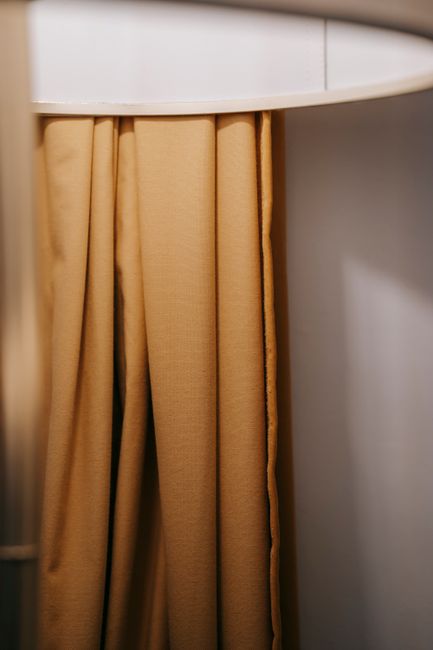
Covent Garden curtain cleaning experts Aldwych: a practical guide to cleaner, fresher curtains
If your curtains are starting to look tired, hold onto odours, or gather that fine grey film London buildings seem to attract so well, you are not alone. Covent Garden curtain cleaning experts Aldwych can help restore the fabric without the guesswork, the hassle, or the risk of damaging linings and pleats. Whether you manage a period property, a busy flat above a shop, or a commercial space close to the West End, knowing how professional curtain cleaning works makes life easier. This guide explains what to expect, what to avoid, and how to choose the right approach for your home or business.
It also covers practical details that people often miss: fabric care, cleaning methods, timing, pricing expectations, safety, and the difference between a quick refresh and a proper restorative clean. Let's make it straightforward.
Why Covent Garden curtain cleaning experts Aldwych Matters
Curtains do far more than soften a room. They catch dust, absorb odours, filter daylight, and quietly hold onto everything drifting through a property. In a busy London setting, that can include traffic residue, cooking smells, moisture, pollen, and general airborne dirt. Over time, even lovely fabric can begin to look dull and feel heavy. Truth be told, you stop noticing it gradually, which is exactly why a fresh pair of eyes helps.
For properties around Covent Garden and Aldwych, curtain care matters even more because the local environment is varied. You might have a heritage-style home with delicate drapes, a compact rental with blackout curtains, or a restaurant, office, or boutique with heavy decorative fabric that needs to keep looking sharp. The right cleaning method preserves the appearance of the room and avoids the false economy of replacing good curtains too early.
There is also a practical hygiene angle. Curtains can contribute to stale indoor air if they are never cleaned. That does not mean they are dangerous by default, but it does mean they deserve proper maintenance alongside flooring and upholstery. If you already look after the rest of the room, it makes sense to include the curtains too. If you are also arranging carpet cleaning or upholstery cleaning, doing the soft furnishings together often gives the room a more balanced result.
Expert summary: A professional curtain clean is not just about appearance. It is about fabric care, air quality, odour control, and making sure the room feels properly looked after rather than merely tidied.
How Covent Garden curtain cleaning experts Aldwych Works
Professional curtain cleaning usually starts with an assessment rather than a machine. That sounds obvious, but it really matters. Different fabrics behave differently. Velvet, silk blends, interlined curtains, synthetic blends, blackout curtains, and lined drapes all respond in their own way. A good cleaner checks the material, the construction, the level of soiling, and whether there are stains, moth marks, water marks, smoke residue, or simple dust buildup.
From there, the cleaning process may use one of several methods. The main goal is to remove dirt and refresh the fabric while protecting structure and colour. Some curtains can be cleaned in situ, meaning they stay hanging during treatment. Others are safer to take down and clean off-site. There is no magic trick here, only careful judgment. And that judgment is what you are paying for, to be fair.
Steam-based cleaning is often considered for suitable fabrics, especially when a deeper hygienic refresh is needed. Dry cleaning-style methods may be better for materials that are sensitive to moisture. Spot treatment is sometimes used for specific marks before the full clean. After cleaning, drying and finishing matter just as much as the wash itself. Creases, shrinkage, and limp drape are usually signs the job was rushed or the method was wrong for the fabric.
If the curtains are part of a broader interior refresh, some clients combine them with sofa cleaning or rug cleaning so the whole room feels consistent. That is often the smartest way to avoid one spotless item sitting awkwardly next to three neglected ones. Happens all the time.
Key Benefits and Practical Advantages
There are plenty of reasons people choose professional curtain cleaning, and most of them are practical rather than glamorous. The big one is simply better fabric condition. Curtains cleaned the right way look brighter, hang better, and usually smell fresher. That alone can change how a room feels when you walk in.
- Better appearance: Dust and dullness are removed, helping colours look more alive.
- Fabric protection: Proper cleaning reduces the chance of damage from harsh DIY methods.
- Odour reduction: Helpful for homes with cooking smells, pets, or heavy street-level exposure.
- Improved room presentation: Useful for landlords, hosts, retailers, and office managers.
- Longer curtain life: Regular care can delay replacement costs.
- Less hassle: No wrestling with bulky curtains in a washing machine that was never meant for them.
There is also a quieter benefit: peace of mind. You know the fabric has been assessed properly, the method suits the material, and the results are less likely to cause shrinkage, dye transfer, or warping. That matters with curtains because the damage from a bad clean can be expensive and very visible. Quite annoying too, if we're honest.
If budget planning matters, it is worth checking pricing and quotes before you book. Clear expectations save a lot of back-and-forth later, especially for larger or more delicate jobs. And if you are comparing providers, it helps to review their about us information so you understand the kind of service and standards they aim to deliver.
Who This Is For and When It Makes Sense
Curtain cleaning is not only for people with visibly dirty drapes. In fact, some of the best time to clean curtains is before they look obviously bad. That is usually when the fabric is still in good condition and much easier to refresh.
This service makes sense for:
- Homeowners who want a cleaner, calmer living space
- Tenants preparing for an end-of-tenancy inspection
- Landlords improving presentation between lets
- Offices and meeting rooms with fabric window dressings
- Hospitality and retail spaces where first impressions matter
- Period properties with valuable or delicate fabrics
Some warning signs are easy to spot. Curtains may need cleaning if they have a stale smell, visible dust at the hem, faded patches near sunlight, or marks where hands, rain, or condensation have affected the fabric. Around busy streets, you may also notice the bottom edge looks darker than the rest. That tends to happen quietly, then one day it does not look so quiet anymore.
Commercial spaces often benefit from joining curtain care with commercial carpet cleaning because both affect how customers and staff experience the room. A fresh window treatment alongside clean floors gives a much more polished impression. A tiny thing, maybe. But it adds up.
Step-by-Step Guidance
If you are planning a curtain clean for the first time, the process is easier to understand when broken into clear steps. Here is the typical flow.
- Identify the fabric and construction. Check whether the curtains are lined, interlined, blackout, sheer, natural fibre, synthetic, or a blend.
- Inspect for stains and wear. Note any marks, fading, loose stitching, or areas that have become thin from sun exposure.
- Choose the right cleaning method. This depends on material, condition, and whether in-situ cleaning is suitable.
- Prepare the room. Move nearby furniture if needed, and clear access around windows and tracks.
- Pre-treat problem areas. Spot cleaning may be used for localised stains, depending on the fabric.
- Carry out the clean. The chosen method is applied carefully, with attention to seams, pleats, and linings.
- Allow proper drying and finishing. Curtains should dry evenly and be re-hung or settled so they keep their shape.
- Review the result. Check overall appearance, texture, and whether any marks need a second pass.
If you are arranging multiple soft furnishings, it can be worth talking through the order of jobs. For example, tackling stain removal before the main clean can improve the finish, but only if the treatment suits the material. There is no point being impatient here. Fabric has its own opinion.
A good team will also explain any limitations before starting. That includes older curtains that may be weakened by sunlight, or fabrics that simply should not be wet cleaned. Clear advice is a positive sign. Confident, specific, not vague. That is what you want.
Expert Tips for Better Results
Over the years, one lesson shows up again and again: the best curtain cleaning results usually come from prevention and preparation, not just the final clean. Small habits make a difference.
- Vacuum curtains gently between professional cleans. Use a soft brush attachment and low suction if the fabric allows it.
- Deal with marks early. Fresh spots are almost always easier to treat than old, set-in stains.
- Watch the sun exposure. If one side gets intense daylight, rotate or protect the fabric where possible.
- Ask about lining care. Sometimes the visible fabric looks fine while the lining is the part that really needs attention.
- Plan cleaning around the calendar. Before events, property photos, or seasonal changes can be a smart time.
One thing people often overlook is smell. Curtains can trap odours in a way that soft furnishings do not always advertise immediately. You may only notice it after windows have been closed for a while. A proper clean can help, especially when combined with related fabric care such as pet stain and odour removal if animals are part of the household. Not glamorous, but very real.
Another tip: if the room has valuable upholstery or a statement rug, coordinate the cleaning schedule. The result feels better when every key fabric gets the same level of attention. Oddly enough, rooms can look half-done if only one prominent item is refreshed.
Common Mistakes to Avoid
Most curtain cleaning problems are avoidable. The tricky part is that the mistakes usually seem harmless at the time. A quick DIY wash. Too much heat. The wrong detergent. A bit of confidence and a lot of regret. We have all seen that sort of thing.
- Using the wrong cleaning method for the fabric. This is the main one. Not all curtains can tolerate water or heat.
- Ignoring the lining. The lining may shrink, distort, or discolour even if the face fabric looks fine.
- Over-wetting the curtains. Excess moisture can leave marks, affect seams, or create a musty smell.
- Skipping pre-tests. A small hidden area should usually be checked first where appropriate.
- Rehanging too soon. Damp curtains can stretch, crease, or hang unevenly.
- Assuming all "professional" methods are the same. They are not. Experience matters.
It is also wise not to treat every mark as a stain you can solve with the same product. Some marks are from oxidation, some from water, some from rubbing, and some are simply worn fibres. The fix depends on the cause. If a cleaner explains that carefully, that is a good sign. If they promise miracles, well... maybe keep your wallet in your pocket.
Tools, Resources and Recommendations
You do not need a van full of specialist equipment at home, but a few simple tools help you maintain curtains between cleans. The point is not to replace professional care. It is to make professional care last longer.
| Tool or resource | What it helps with | Best use |
|---|---|---|
| Soft brush vacuum attachment | Surface dust and loose debris | Gentle maintenance between deep cleans |
| Lint roller | Pet hair and light fibres | Quick touch-ups on suitable fabrics |
| Microfibre cloth | Light wiping on hard nearby surfaces | Keep window sills and tracks tidy |
| Fabric care guidance | Cleaning limitations and washing symbols | Before any DIY attempt or booking |
| Professional inspection | Material-specific advice and treatment | Before delicate or expensive curtain cleaning |
On the service side, it helps to work with a company that has clear policies and sensible standards. You can review their insurance and safety information and their health and safety policy if you want extra reassurance before a visit. That sort of transparency matters, especially in homes and shared buildings where access, equipment, and care around furnishings all come into play.
If you prefer to understand how broader service processes are handled, useful pages like terms and conditions, payment and security, and privacy policy are worth a look. Not exciting reading, granted, but it tells you a lot about professionalism.
Law, Compliance, Standards, or Best Practice
Curtain cleaning is not usually a heavily regulated service in the way some trades are, but best practice still matters. In practical terms, a trustworthy provider should handle chemicals responsibly, work safely around property, and communicate clearly about limitations, risks, and aftercare. That is especially important in occupied homes, offices, and hospitality settings.
In the UK, good service practice also means considering general consumer protection expectations, accurate descriptions, fair pricing, and careful treatment of property. If a company offers a complaints process, that is a positive sign because it shows they are prepared to deal with problems properly. You can see how that is approached on the complaints procedure page.
Environmental care is another sensible benchmark. Gentle, appropriate cleaning uses less waste than replacing curtains unnecessarily, and good providers should be mindful of disposal and materials use. For readers who care about sustainability, the recycling and sustainability page is relevant because it gives a sense of how a business thinks about its wider footprint.
For accessibility and inclusivity, it also helps if service information is easy to understand and navigate. Clear website structure, readable language, and transparent service information are not just nice extras. They make the whole process easier for real people. Small thing, big difference.
Options, Methods, or Comparison Table
There is no single "best" curtain cleaning method for every situation. The right choice depends on fabric, condition, access, and desired outcome. Here is a simple comparison to help you think it through.
| Method | Best for | Pros | Watch-outs |
|---|---|---|---|
| In-situ cleaning | Many standard curtains and busy premises | Convenient, less disruption, no removal logistics | Not always suitable for delicate or heavily lined fabrics |
| Off-site cleaning | Delicate, valuable, or complex curtains | More controlled treatment and finishing | Needs careful removal, transport, and reinstallation |
| Steam-based treatment | Suitable fabrics needing a deeper refresh | Can help with hygiene and odour reduction | Not ideal for all materials, so assessment matters |
| Targeted stain treatment | Isolated marks on compatible fabrics | Focuses on visible problem areas | Should not replace a proper full clean where needed |
For some customers, the decision is shaped by timing rather than fabric alone. A cafe might need a quick turnaround before a weekend rush. A family home might prefer a quieter off-site clean. A landlord may just want consistency and minimal disruption. There is no single template, and that is why the first conversation matters so much.
Case Study or Real-World Example
Imagine a small office near Covent Garden with heavy curtains in a meeting room. The fabric looks fine from a distance, but the lower edges have picked up dust, the room smells stale after the windows have been shut all week, and the lighting feels a bit flat. Nobody notices the curtains every day, yet everyone notices the room feels slightly off.
A sensible approach would be to inspect the fabric, identify the lining, and choose a cleaning method that avoids unnecessary moisture in a working environment. If the curtains are suitable for in-situ treatment, that keeps disruption low. If not, off-site cleaning may be better, especially if the fabric is valuable or the pleats are delicate. The result? Less dust, improved presentation, and a room that feels more professional without changing the furniture or paint.
That kind of outcome is common. Not dramatic, not flashy. Just quietly better. And honestly, that is often what people want most.
In a home setting, the same logic applies. A parent notices the living room feels a bit heavy in the evenings. The curtains are not visibly filthy, but they are carrying more than they should. After a proper clean, the space feels lighter. It is not magic, of course. It just makes the room feel cared for again.
Practical Checklist
Use this checklist before you book curtain cleaning or ask for an inspection.
- Check the fabric label or any care instructions you still have
- Note whether the curtains are lined, blackout, sheer, or interlined
- Look for stains, fading, loose seams, or signs of sun damage
- Decide whether you want in-situ cleaning or removal and off-site treatment
- Ask what method is being recommended and why
- Confirm whether spot treatment is included for visible marks
- Ask about drying time and when the curtains can be fully used again
- Check access around windows, furniture, and tracks before the appointment
- Review pricing, payment, and any service terms in advance
- Keep a note of any matching soft furnishings that may also need attention
If you are doing a broader refresh, curtains often pair well with steam carpet cleaning or curtain cleaning as part of a coordinated clean. It sounds simple because it is. And simple is often best.
Get a free quote today and see how much you can save.
Conclusion
Covent Garden curtain cleaning experts Aldwych can make a real difference when you want your curtains to look better, last longer, and fit the room they hang in. The value is not only visual. It is about fabric protection, better presentation, and avoiding costly mistakes that come from guessing at the right method.
The best results usually come from careful assessment, the right technique, and honest advice about what is and is not suitable for each fabric. If you keep that principle in mind, the whole process becomes much easier to manage. No drama. No guesswork. Just clean curtains that do their job properly.
And if you are still weighing things up, that is fine. A good decision with soft furnishings is often the one you make calmly, not hurriedly. Sometimes the nicest improvement in a room is also the quietest.
Frequently Asked Questions
How often should curtains be professionally cleaned?
It depends on fabric, room use, and local conditions. A busy household, a property near road dust, or a commercial space may need cleaning more often than a low-traffic room. A visual check and a smell check are usually a good starting point.
Can all curtains be cleaned in the same way?
No. Fabric type, lining, stitching, and age all affect the right method. Some curtains suit in-situ cleaning, while others are safer off-site or with dry methods. A proper inspection should come first.
Is curtain cleaning safe for delicate fabrics?
It can be, provided the method matches the fabric. Delicate materials need careful assessment and gentle handling. If there is any doubt, the safest option is usually to avoid harsh DIY methods and get expert advice.
Will curtain cleaning remove odours?
Often it helps a lot, especially where odours come from cooking, pets, dust, or general indoor buildup. Very stubborn smells may need more targeted treatment, depending on the cause.
Do curtains need to be taken down for cleaning?
Not always. Some can be cleaned while hanging. Others are better removed and treated elsewhere. It depends on the fabric, the curtain construction, and the level of soiling.
How long does curtain cleaning take?
That varies. The cleaning itself may be fairly quick, but drying and finishing can take longer. Heavier fabrics and lined curtains usually need more time than lightweight materials.
Can curtain cleaning help with dust allergies?
It may help reduce dust buildup, which can make a room feel fresher. That said, it is not a medical treatment, and results vary. Regular maintenance of curtains, carpets, and upholstery is generally the sensible approach.
Should I clean curtains before selling or renting a property?
Yes, that is often a smart move. Fresh curtains improve first impressions and make the room feel more cared for. It is one of those small details people notice without always realising why.
What should I ask before booking a curtain cleaner?
Ask about fabric suitability, cleaning method, drying time, stain treatment, pricing, insurance, and aftercare. If the answers are clear and practical, that is usually a good sign.
Can curtain cleaning be combined with other services?
Yes, and that is often efficient. Many customers combine curtain care with carpet or upholstery work so the room feels consistently refreshed. It can also save time and reduce disruption.
What if my curtains are old and fragile?
Older curtains need extra caution. Sun damage, weakened stitching, and brittle fabric can make them more vulnerable. A professional should explain the risks clearly before attempting any treatment.
How do I know if a quote is fair?
A fair quote should reflect fabric type, curtain size, level of soiling, access, and whether removal is needed. If a price seems unusually low, ask what is included. If it seems high, ask what makes the job more complex. Clarity usually saves everyone time.
Where can I learn more about the company before booking?
It helps to review service details, the team's background, safety information, and booking terms so you know what to expect. Pages like about us, insurance and safety, and terms and conditions can answer many of the practical questions people tend to have.